

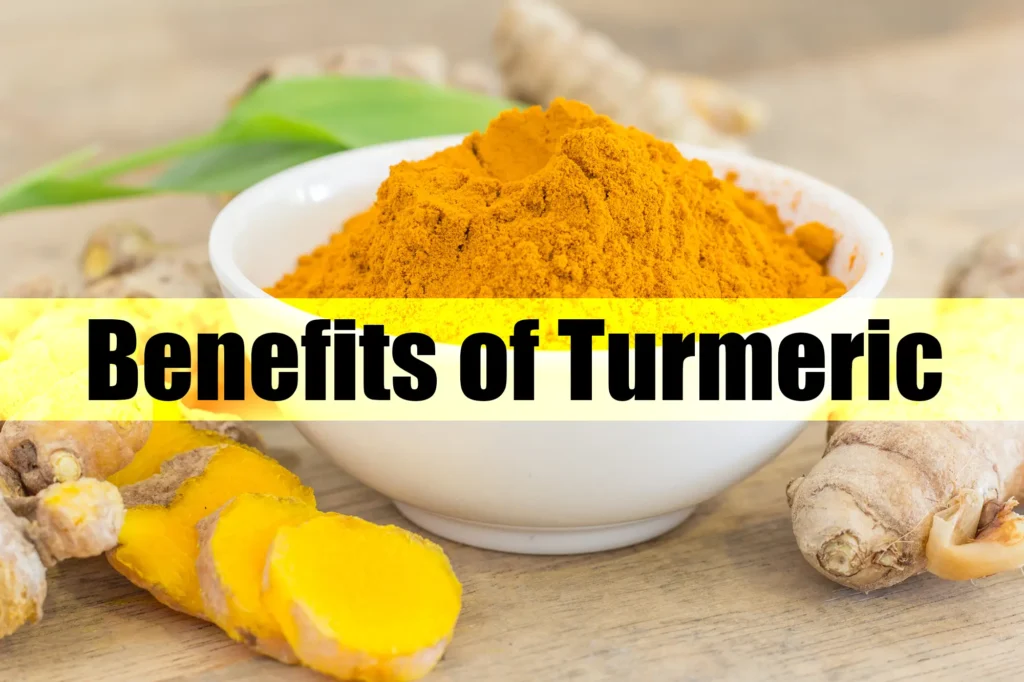
Turmeric, Curcumin a vibrant yellow spice commonly found in many traditional cuisines, has gained immense popularity in recent years due to its remarkable health benefits. This article aims to shed light on the incredible health benefits that turmeric offers. Highlighting the various benefits of turmeric, this article will provide readers with valuable insights into how this amazing spice can enhance their overall well-being.
Anti-Inflammatory Properties
Curcumin and Inflammation
Curcumin, the active compound found in turmeric, has been extensively studied for its anti-inflammatory properties. It has been found to inhibit the activity of certain enzymes and molecules that promote inflammation in the body. This is due to its ability to block the NF-kappaB pathway, a key signaling pathway involved in inflammation. By inhibiting this pathway, curcumin helps reduce the production of inflammatory cytokines, such as tumor necrosis factor-alpha (TNF-alpha) and interleukin-6 (IL-6). These cytokines play a major role in the development and progression of chronic inflammation.
Reducing Chronic Inflammation
Chronic inflammation has been linked to the development of a variety of diseases, including heart disease, cancer, Alzheimer’s disease, and diabetes. By reducing chronic inflammation, curcumin may help prevent or alleviate the symptoms of these conditions. Several studies have shown that curcumin supplementation can significantly decrease the levels of markers of inflammation, such as C-reactive protein (CRP) and interleukin-1 beta (IL-1beta), in individuals with chronic inflammatory conditions.
Treatment for Inflammatory Conditions
In addition to its preventive effects, curcumin has also been shown to be effective in the treatment of various inflammatory conditions. For example, it has been found to alleviate symptoms in individuals with rheumatoid arthritis, a chronic inflammatory disorder that affects the joints. Curcumin’s anti-inflammatory properties can help reduce joint pain, swelling, and stiffness, improving the overall quality of life for individuals with this condition. Furthermore, curcumin has also shown promise as a potential treatment for other inflammatory conditions, such as inflammatory bowel disease (IBD) and psoriasis.
Also Read…. Health Benefits of Walnuts
Antioxidant Effects
Curcumin as an Antioxidant
In addition to its potent anti-inflammatory properties, curcumin also exhibits strong antioxidant effects. Antioxidants are compounds that help protect cells from oxidative damage caused by free radicals, highly reactive molecules that can lead to oxidative stress and contribute to the development of chronic diseases. Curcumin acts as a powerful antioxidant by scavenging free radicals, neutralizing their harmful effects, and preventing them from damaging DNA, proteins, and lipids within cells.
Protecting Cells from Oxidative Damage
Oxidative damage has been implicated in a wide range of diseases, including cardiovascular disease, neurodegenerative disorders, and cancer. By protecting cells from oxidative damage, curcumin may help reduce the risk of developing these diseases. Several studies have demonstrated curcumin’s ability to increase the activity of antioxidant enzymes, such as superoxide dismutase (SOD) and catalase, which further enhance its antioxidant effects. Furthermore, curcumin has been shown to regenerate other antioxidants, such as vitamin E, further contributing to its overall antioxidant capacity.
Prevention of Chronic Diseases
The antioxidant effects of curcumin may play a crucial role in the prevention of chronic diseases. By neutralizing oxidative stress and reducing cellular damage, curcumin may help prevent the development and progression of conditions such as heart disease, Alzheimer’s disease, and certain types of cancer. Additionally, curcumin’s antioxidant properties have been associated with improved cognitive function, enhanced immune response, and a reduced risk of age-related macular degeneration.
Boosting Immune System
Enhancing the Function of the Immune System
A healthy immune system is essential for overall health and well-being. Curcumin has been found to possess immunomodulatory properties, meaning it can modulate or regulate the immune response. It has been shown to enhance the activity of immune cells, such as natural killer cells, T cells, and B cells, which play a crucial role in detecting and eliminating foreign invaders, such as bacteria and viruses. By boosting the function of the immune system, curcumin may help the body mount a more effective defense against infections and diseases.
Increasing Antibody Responses
Curcumin has also been found to enhance antibody responses, which are vital for immune protection. Antibodies are proteins produced by the immune system in response to the presence of specific antigens, such as bacteria or viruses. They help identify and neutralize these antigens, preventing them from causing harm to the body. Studies have shown that curcumin can stimulate the production and activity of antibodies, thereby enhancing the body’s ability to fight off infections and maintain a strong immune system.
Promoting overall Health and Well-being
By boosting the immune system, curcumin contributes to overall health and well-being. A robust immune system can help reduce the risk of infections, shorten the duration and severity of illnesses, and promote faster recovery. Furthermore, a healthy immune system is also important in preventing the development of chronic diseases, as it plays a crucial role in detecting and neutralizing aberrant cells, such as cancer cells. Incorporating curcumin into a balanced diet or as a supplement may help support immune function and improve overall health.
Improved Digestion
Stimulating the Production of Digestive Juices
Curcumin has been found to stimulate the production of digestive juices, including bile and gastric acid, which are essential for optimal digestion. Bile helps break down fats and aids in their absorption, while gastric acid helps break down proteins and kills harmful bacteria that may be present in food. By enhancing the production of these digestive juices, curcumin promotes efficient digestion and nutrient absorption, ensuring that the body can utilize ingested nutrients effectively.
Alleviating Digestive Disorders
Curcumin has been traditionally used in Ayurvedic medicine to treat various digestive disorders, such as dyspepsia, bloating, and irritable bowel syndrome (IBS). Its anti-inflammatory and antioxidant properties help reduce inflammation in the gastrointestinal tract, alleviate symptoms of digestive disorders, and support gut health. Furthermore, curcumin may also help maintain a healthy balance of gut bacteria by modulating the composition of the gut microbiota, contributing to improved digestion and overall gastrointestinal function.
Relieving Indigestion and Bloating
Indigestion and bloating are common digestive complaints experienced by many individuals. Curcumin may provide relief for these symptoms by promoting the secretion of digestive enzymes, increasing the motility of the gastrointestinal tract, and reducing inflammation that may contribute to these discomforts. Additionally, curcumin’s ability to alleviate oxidative stress and inflammation in the gut may help soothe the digestive system, providing relief from indigestion, bloating, and other related gastrointestinal issues.
Also Read…. Health Benefits of Bananas
Heart Health
Reducing Cholesterol Levels
High levels of cholesterol, particularly low-density lipoprotein (LDL) cholesterol, are a major risk factor for heart disease. Curcumin has been shown to effectively reduce LDL cholesterol levels, thereby reducing the risk of developing cardiovascular diseases. It does so by inhibiting the activity of enzymes involved in cholesterol synthesis and promoting the breakdown and clearance of cholesterol from the body. Studies have demonstrated that regular consumption of curcumin can lead to significant improvements in lipid profiles, with decreased levels of total cholesterol, LDL cholesterol, and triglycerides.
Prevention of Heart Disease
The anti-inflammatory and antioxidant properties of curcumin contribute to its potential in preventing heart disease. Chronic inflammation and oxidative stress in the cardiovascular system can lead to the development of atherosclerosis, a condition characterized by the buildup of plaque in the arteries. This plaque can restrict blood flow and increase the risk of heart attacks and strokes. Curcumin’s ability to reduce inflammation and neutralize free radicals helps protect the blood vessels from damage and may prevent the progression of atherosclerosis, reducing the risk of heart disease.
Improving Blood Circulation
Curcumin has been demonstrated to improve blood circulation, which is vital for overall cardiovascular health. It promotes the dilation of blood vessels, enhancing blood flow and reducing blood pressure. By improving blood circulation, curcumin ensures that oxygen and nutrients are efficiently delivered to the body’s cells, optimizing their function. Furthermore, curcumin’s anti-inflammatory effects also help prevent the formation of blood clots, reducing the risk of thrombosis, a common cause of heart attacks and strokes.
Cancer Prevention
Curcumin’s Potential as an Anti-Cancer Agent
Numerous studies have investigated the potential of curcumin as an anti-cancer agent. It has been found to possess several properties that can inhibit the development and progression of cancer. Curcumin has been shown to suppress the proliferation of cancer cells, induce apoptosis (programmed cell death) in cancer cells, and inhibit the formation and growth of blood vessels that supply tumors. Additionally, curcumin can modulate various signaling pathways involved in cancer development, preventing the initiation of cancerous changes and impeding tumor growth.
Inhibiting Cancer Cell Growth
Curcumin has shown promising results in inhibiting the growth and spread of various types of cancer cells. Studies have demonstrated its ability to suppress the growth of breast, colon, prostate, lung, liver, and pancreatic cancer cells. Curcumin exerts its anti-cancer effects through multiple mechanisms, including the inhibition of cell signaling pathways, such as the nuclear factor-kappaB (NF-kappaB) pathway, which promotes inflammation and cancer cell survival. By inhibiting the growth of cancer cells, curcumin helps prevent the formation of tumors and may improve treatment outcomes.
Enhancing the Effectiveness of Cancer Treatments
Curcumin has also been investigated for its potential to enhance the effectiveness of conventional cancer treatments, such as chemotherapy and radiation therapy. Its ability to sensitize cancer cells to these treatments and protect normal cells from their harmful effects has been demonstrated in preclinical and clinical studies. Additionally, curcumin’s anti-inflammatory and antioxidant properties help alleviate treatment-related side effects, such as inflammation and oxidative stress. While further research is needed to fully understand curcumin’s role in cancer treatment, its potential as an adjuvant therapy holds promise for improving patient outcomes.
Joint Health
Relief from Arthritis
Curcumin’s anti-inflammatory properties make it a popular natural remedy for individuals with arthritis, a condition characterized by inflammation of the joints. Studies have shown that curcumin can help reduce pain, stiffness, and physical disability in individuals with various forms of arthritis, including osteoarthritis and rheumatoid arthritis. Curcumin’s ability to inhibit inflammatory mediators, such as cytokines and enzymes, helps suppress inflammation in the joints, alleviating the symptoms associated with arthritis and improving joint function.
Reducing Joint Pain and Swelling
Joint pain and swelling are common symptoms experienced by individuals with arthritis and other joint-related conditions. Curcumin has been found to have analgesic properties, meaning it can help reduce pain sensation. By inhibiting inflammatory mediators and reducing oxidative stress in the joints, curcumin provides relief from joint pain and swelling. Additionally, curcumin’s antioxidant effects help protect the joint tissues from further damage and contribute to the overall health and maintenance of the joints.
Improving Mobility and Flexibility
Arthritis and joint-related conditions can significantly impact an individual’s mobility and flexibility. Curcumin’s anti-inflammatory and pain-relieving effects help improve joint function and increase mobility. By reducing inflammation, curcumin improves the range of motion in the affected joints, allowing individuals to perform daily activities with greater ease. Furthermore, curcumin’s inhibitory effects on enzymes that degrade cartilage, such as matrix metalloproteinases (MMPs), help preserve the integrity of the joint tissues, promoting long-term joint health and flexibility.
Also Read…. Health Benefits of Honey
Skin Health
Antibacterial and Antifungal Properties
Curcumin possesses potent antibacterial and antifungal properties, making it an effective natural remedy for various skin conditions caused by microbial infections. It can help combat the growth of bacteria and fungi on the skin, preventing the development of infections, such as acne, dermatitis, and ringworm. Curcumin’s antimicrobial effects are attributed to its ability to disrupt the cell membranes of bacteria and fungi, inhibiting their growth and survival.
Promoting Wound Healing
Turmeric has long been used in traditional medicine to promote wound healing. Curcumin, its active compound, has been found to accelerate the wound healing process by promoting the proliferation of skin cells and enhancing collagen synthesis. Furthermore, curcumin’s anti-inflammatory properties help reduce inflammation at the site of the wound, preventing excessive scar formation. Its antioxidant effects also aid in tissue repair by neutralizing free radicals and reducing oxidative damage that can hinder the healing process.
Improving Skin Conditions
Curcumin’s anti-inflammatory and antioxidant properties make it a potential treatment for various skin conditions, including psoriasis, eczema, and acne. Chronic inflammation in the skin is a common underlying factor in these conditions, leading to symptoms such as redness, itching, and swelling. By reducing inflammation, curcumin can help alleviate these symptoms and improve the overall appearance and health of the skin. Additionally, curcumin’s antioxidant effects help protect the skin from oxidative damage, preventing premature aging and promoting a youthful complexion.
Brain Function and Mental Health
Curcumin and Brain Health
Emerging evidence suggests that curcumin may have beneficial effects on brain health. Its anti-inflammatory and antioxidant properties help protect brain cells from oxidative stress and inflammation, which are involved in the development of neurodegenerative disorders and cognitive decline. Curcumin has been shown to cross the blood-brain barrier, allowing it to exert its effects directly within the brain. By reducing inflammation and oxidative damage, curcumin may help preserve cognitive function and promote brain health throughout life.
Potential Treatment for Alzheimer’s Disease
Alzheimer’s disease is a neurodegenerative disorder characterized by the accumulation of amyloid-beta plaques and the formation of neurofibrillary tangles in the brain. Curcumin has been extensively studied for its potential in preventing and treating Alzheimer’s disease. It has been found to inhibit the formation of amyloid-beta plaques and reduce inflammation and oxidative damage in the brain, potentially slowing down the progression of the disease and improving cognitive function. While further research is needed, curcumin holds promise as a natural adjunctive therapy for individuals with Alzheimer’s disease.
Enhancing Mood and Reducing Depression
Curcumin’s effects on brain health extend beyond the prevention and treatment of neurodegenerative disorders. Studies have shown that curcumin may also have positive effects on mood and mental health. It has been found to increase the levels of neurotransmitters, such as serotonin and dopamine, which are involved in regulating mood. Additionally, curcumin’s anti-inflammatory effects help reduce markers of inflammation in individuals with depression, suggesting its potential as an adjuvant therapy for depressive disorders. Further research is needed to determine the optimal dosage and duration of curcumin supplementation for mental health benefits.
Weight Management
Curcumin and Metabolism
Maintaining a healthy weight is essential for overall health and well-being. Curcumin may play a role in weight management by affecting metabolism. It has been found to increase the activity of enzymes involved in metabolism, such as AMP-activated protein kinase (AMPK) and peroxisome proliferator-activated receptor gamma (PPARgamma). These enzymes help regulate energy balance, glucose metabolism, and lipid metabolism, which are important factors in weight management. Furthermore, curcumin’s anti-inflammatory effects may also contribute to weight management by reducing chronic inflammation, which is associated with obesity.
Aiding in Weight Loss
Several studies have investigated the potential of curcumin in aiding weight loss. It has been found to have thermogenic properties, meaning it can increase the body’s ability to burn calories and fat. Curcumin has also been shown to suppress the formation and growth of fat cells by inhibiting the differentiation of preadipocytes, the precursor cells of fat cells. Furthermore, curcumin’s ability to regulate blood sugar levels may help prevent insulin resistance, a condition associated with weight gain and obesity.
Reducing the Risk of Obesity
Obesity is a global health concern associated with an increased risk of chronic diseases, including heart disease, type 2 diabetes, and certain types of cancer. By aiding in weight management and promoting a healthy metabolism, curcumin may help reduce the risk of obesity and its associated health complications. Its anti-inflammatory and antioxidant effects may also contribute to obesity prevention by reducing the inflammation and oxidative stress that can disrupt metabolic processes and promote weight gain.
In conclusion, turmeric’s active compound curcumin offers a wide range of health benefits. Its anti-inflammatory properties make it useful in reducing chronic inflammation and alleviating symptoms of inflammatory conditions. Curcumin’s antioxidant effects help protect cells from oxidative damage and contribute to the prevention of chronic diseases. Additionally, curcumin boosts the immune system, improves digestion, promotes heart health, may aid in the prevention and treatment of cancer, supports joint health, enhances skin health, benefits brain function and mental health, aids in weight management, and reduces the risk of obesity. Incorporating curcumin into a balanced diet or as a supplement may provide significant health benefits and promote overall well-being.
Also Read…. 5 Health Benefits of Drinking more water
Frequently asked FAQ about the health Benefits of using Turmeric
[sp_easyaccordion id=”4028″]