



Fresh fruits and vegetables have always been associated with a balanced lifestyle. Yet modern life often makes eating them regularly more difficult than it sounds. People buy fresh produce with good intentions, only to find it spoiled in the refrigerator a few days later. Busy families may not have enough time to wash, peel, cut, cook and clean up every time they want to add vegetables to a meal or prepare a nutritious drink.
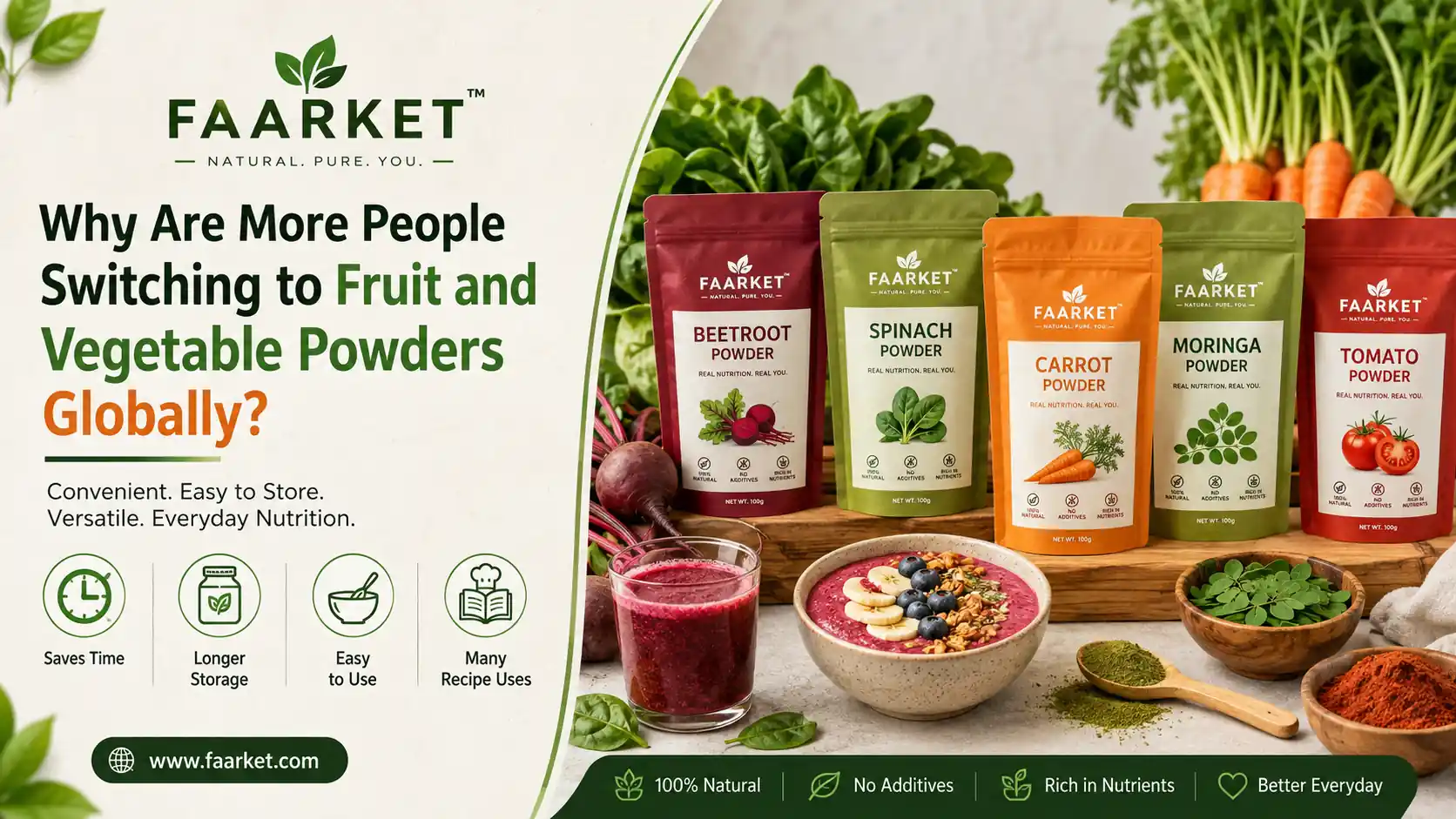
This is one reason fruit and vegetable powders are attracting attention around the world.
From beetroot and spinach powder to apple, banana, carrot, tomato and moringa powder, dehydrated ingredients are moving beyond commercial kitchens and entering everyday homes. People are adding them to smoothies, milk, soups, curries, baking mixtures, breakfast recipes and snacks.
The global shift is not simply about following another food trend. It reflects a wider demand for ingredients that are convenient, versatile, easier to store and suitable for modern routines.
So, why are more consumers, families, food businesses and home cooks turning to fruit and vegetable powders?
1. Modern consumers want nutrition without complicated preparation
Many people understand that fruits and vegetables should be part of their daily diet. The World Health Organization recommends that people over the age of ten aim for at least 400 grams of fruits and vegetables each day as part of a varied and balanced diet. However, changing lifestyles and greater reliance on highly processed foods mean that many people still do not consume enough produce. (World Health Organization)
The difficulty is not always a lack of interest. It is often a lack of time.
Preparing fresh ingredients can involve:
- Shopping frequently
- Washing and cleaning produce
- Peeling and chopping
- Cooking or blending
- Storing leftovers correctly
- Cleaning several utensils afterwards
Powders remove many of these steps. A spoonful can be added directly to a recipe without cutting, grinding or preparing the original ingredient every time.
This makes them particularly attractive to busy professionals, parents, students, travellers, home cooks and people who want to simplify their kitchens.
2. Powders make fruits and vegetables easier to store
Fresh produce contains a large amount of water and naturally begins to deteriorate after harvesting. Temperature, humidity, physical damage and storage conditions can all affect how quickly it loses quality.
Drying removes much of this moisture. Reducing moisture helps slow microbial growth and many of the reactions that cause food to deteriorate. It also reduces the product’s weight and volume, making it easier to package, transport and store.
A properly packaged powder can therefore be kept in a pantry and used in small quantities when needed. Consumers do not have to use the complete fruit or vegetable immediately after opening the package.
This convenience is one of the biggest reasons powders are becoming popular in homes where refrigerator space is limited or fresh produce is not purchased every day.
3. They may help reduce household food waste
Almost everyone has experienced buying too many fruits or vegetables and throwing away part of them because they became soft, overripe or spoiled.
Powdered ingredients can help households purchase only the quantity they are likely to use. They can also be measured one spoon at a time, with the remaining product stored for later.
Drying has long been used to preserve produce, extend its usable life and reduce the amount of storage space required. The Food and Agriculture Organization notes that dried foods can require less storage space and may help reduce household food waste when packaged and stored correctly.
Powders will not eliminate food waste across the entire supply chain, but they can offer a practical alternative for ingredients that people use occasionally rather than every day.
For example, someone may not regularly buy fresh beetroot, mint or spinach. A powder allows that person to keep the ingredient available and use a small amount whenever a recipe requires it.
4. One powder can be used in many different recipes
The appeal of fruit and vegetable powders is not limited to drinks.
Depending on the ingredient and the product instructions, powders can be incorporated into:
- Smoothies and milk-based drinks
- Soups and sauces
- Curry gravies
- Dosa and idli batter
- Chapati and paratha dough
- Oats and breakfast bowls
- Cakes, biscuits and muffins
- Homemade snacks
- Yoghurt and desserts
- Seasoning blends
- Natural food-colouring applications
This versatility makes powders useful to consumers who enjoy experimenting with recipes but do not want to purchase several fresh ingredients for every dish.
Apple or banana powder may work well in breakfast foods and baking. Beetroot powder can add colour and an earthy flavour to drinks, doughs or snacks. Tomato and garlic powders can support everyday savoury cooking. Spinach, mint and moringa powders can be included in selected recipes where their flavour and texture are appropriate.
Faarket’s current product range reflects this broad use case, with products including beetroot, spinach, moringa, tomato, mint, apple, banana, carrot, amla and garlic powders. (The Promart)
5. Fruit and vegetable powders are useful throughout the year
Many fruits, vegetables and leafy ingredients are seasonal. Their quality, availability and price may vary throughout the year.
Converting produce into powder can make selected ingredients available outside their normal harvest period. Research on dehydrated green leafy vegetables has noted convenience, easier preservation and off-season availability among the advantages of dehydrated products.
This does not mean powdered products are identical to freshly harvested produce. Their taste, texture and nutritional composition may differ. However, powders can make certain ingredients easier to access when the fresh version is unavailable, expensive or inconvenient to prepare.
This is particularly useful for businesses and households that want consistency in recipes.
A bakery, café, food producer or home-based business may prefer a measured powder because it can be easier to standardise than produce that changes in size, moisture content and flavour from one batch to another.
6. The demand for convenient plant-based ingredients is increasing
Fruit and vegetable powders are now used across many parts of the food industry. They appear in beverages, bakery products, confectionery, desserts, instant soups, seasoning mixtures, snack products and other formulations.
Industry forecasts vary, but they consistently indicate growing commercial interest. One 2026 market estimate valued the global fruit powder sector at approximately US$28 billion in 2025 and projected continued growth through 2034. Another industry forecast estimated that the broader fruit and vegetable powder market could grow from around US$50 billion in 2025 to nearly US$70 billion by 2031. These are commercial forecasts rather than guaranteed outcomes, but they show the scale of interest in the category. (
Several wider consumer trends are supporting this growth:
- Greater interest in plant-based ingredients
- Demand for convenient foods
- Expansion of smoothie and functional-drink categories
- Interest in natural colours and flavours
- Growth in home baking and recipe experimentation
- Increasing online access to specialist ingredients
- Demand from cafés, restaurants and food manufacturers
Powders can therefore serve both household consumers and businesses seeking ingredients that are compact and easy to measure.
7. They can make natural colours and flavours more accessible
Consumers and food businesses are increasingly exploring alternatives to heavily artificial-looking products.
Some fruit and vegetable powders can contribute natural colour and flavour to recipes. Beetroot may produce red or pink shades, spinach and moringa can add green tones, carrot may provide orange colour, and tomato powder can support both colour and savoury flavour.
The final result will depend on the quantity used, the other ingredients, heat exposure and the manufacturing process. Powders should not automatically be treated as direct replacements for commercial food colours because they can also change taste, texture and moisture balance.
However, they give home cooks and small food businesses another way to experiment with colourful recipes using recognisable plant-derived ingredients.
8. Families are looking for simpler nutrition routines
Parents often search for practical ways to introduce a wider range of ingredients into family meals. However, children and adults may reject certain vegetables because of their appearance, texture or strong flavour.
Powders can be blended into familiar recipes in controlled quantities. This may help families explore ingredients without serving the complete vegetable in its original form every time.
Faarket’s ABC Malt is one example of this convenience-focused approach. It combines apple, beetroot and carrot in a ready-to-use mixture designed for milk, smoothies, breakfast recipes, snacks and other beverages. The product is positioned as an option for both children and adults who want an easier way to use these ingredients. (The Promart)
However, parents should still check ingredient lists, serving guidance, added sugar, allergens and age suitability. A powder should be part of a varied diet rather than the only source of fruits and vegetables.
9. Powders are easier to measure and carry
Fresh produce can be difficult to carry to work, college or while travelling. It may require refrigeration, containers, cutting tools or immediate consumption.
Powders are generally lighter and more compact because much of the original water has been removed. Drying is used partly because it reduces packaging requirements and transport weight. (PubMed Central (PMC))
A sealed pouch or container can be easier to store in a kitchen, workplace or travel bag. Consumers can also measure a specific quantity using a spoon instead of preparing an entire fruit or vegetable.
For businesses, the lower weight and volume can simplify storage and handling. For customers, it can mean having several ingredients available without filling the refrigerator.
10. They support creative cooking rather than only “health drinks”
One common misunderstanding is that fruit and vegetable powders are only for fitness enthusiasts or smoothie drinkers.
In reality, they can be ordinary cooking ingredients.
Tomato powder can be added to soups, sauces, seasoning mixtures and selected gravies. Garlic powder is already a familiar kitchen product in many countries. Mint powder may be used in spice blends, drinks or savoury dishes. Banana powder can be incorporated into porridge, baking and snack recipes. Beetroot and carrot powders can be explored in colourful doughs, beverages and desserts.
The category becomes much more useful when consumers stop viewing powders as supplements and start considering them as pantry ingredients.
This gives brands such as Faarket an opportunity to serve not only wellness-focused customers but also home cooks, food creators, cafés, bakeries and small manufacturers.
11. The online marketplace has made specialist powders easier to discover
In the past, many dehydrated powders were mainly available to commercial food producers or through specialist wholesalers.
Online shopping has changed this. Consumers can now search for a specific ingredient, compare pack sizes, read usage information and order directly to their homes.
Faarket brings a variety of fruit, vegetable, herbal and nutrition powders together within one online store. Its catalogue includes everyday cooking ingredients as well as products such as ABC Malt, allowing customers to explore different uses without searching across several unrelated sellers. (The Promart)
This type of focused marketplace can also educate consumers. Product pages can explain what an ingredient is, where it can be used, how it should be stored and which pack size may suit the customer.
Are fruit and vegetable powders as good as fresh produce?
Powders offer convenience, but they should not be presented as perfect replacements for fresh fruits and vegetables.
Drying methods can affect nutrients differently. Some minerals, fibre and plant compounds may remain relatively stable, while heat-sensitive vitamins—particularly vitamin C—can be reduced substantially during certain drying processes. Retention depends on the ingredient, preparation method, temperature, oxygen exposure, storage and packaging.
Fresh produce also provides water, natural structure, texture and eating experiences that powders cannot reproduce.
A sensible approach is to use powders as a convenient addition to a varied diet rather than treating them as a complete replacement. People should continue eating fresh, frozen, cooked or otherwise minimally processed fruits and vegetables whenever practical.
What should consumers check before buying?
The quality of powders can vary considerably. Before purchasing, customers should examine:
The ingredient list
Look at whether the product contains only the named fruit or vegetable or includes sugar, starch, preservatives, artificial flavours, colours or carriers.
Processing information
Different drying methods can produce different results in colour, flavour, texture and nutrient retention.
Packaging
Fruit and vegetable powders can absorb moisture from the air. They should be supplied in properly sealed packaging and stored according to the manufacturer’s instructions. Research on food powders notes that moisture absorption and stability during storage are major quality considerations.
Serving guidance
More is not always better. Strong powders can change the taste, colour and texture of recipes. Start with the recommended amount and adjust gradually.
Dietary requirements
Customers with allergies, medical conditions, pregnancy-related dietary needs or restrictions should review labels carefully and seek professional advice where necessary.
Claims
Be cautious of products promising to cure diseases, cause instant weight loss or replace a complete diet. Fruit and vegetable powders are food ingredients, not miracle treatments.
Why Faarket is entering the market at the right time
The global interest in convenient plant-based ingredients creates a clear opportunity for brands that can offer variety, clear information and dependable product quality.
Faarket is building its catalogue around ingredients that can fit naturally into Indian and international cooking habits. Products such as beetroot, spinach, carrot, tomato, mint, garlic, apple and banana powder can be used across drinks, breakfasts, snacks, baking and traditional recipes. Its ABC Malt adds a family-oriented option by combining apple, beetroot and carrot in one convenient mix. (The Promart)
The value of Faarket is not simply that it sells powders. Its broader potential is to make less frequently used fruits, vegetables and herbs easier to keep, measure and incorporate into everyday routines.
For busy consumers, that could mean preparing a colourful drink without peeling beetroot. For a parent, it could mean adding a measured quantity of vegetable powder to a familiar family recipe. For a bakery or café, it could mean experimenting with natural colours and flavours. For a small food business, it could mean buying compact ingredients that are easier to store and standardise.
The future of fruits and vegetables may include both fresh and powdered forms
Fresh produce will remain essential. Nothing needs to replace the experience of eating a crisp apple, fresh carrot, ripe banana or freshly cooked greens.
But the future of food is likely to offer consumers more formats.
People may eat fresh fruit with breakfast, use tomato powder while cooking lunch, add beetroot powder to an evening drink and use banana powder in baking. The choice does not have to be between fresh food and powdered food. Both can serve different purposes.
Fruit and vegetable powders are growing globally because they respond to real modern problems: limited time, food spoilage, seasonal availability, preparation effort, storage constraints and the need for versatile ingredients.
The most successful products will be those that are transparent about their ingredients, realistic about their benefits and easy to use in ordinary recipes.
For consumers ready to explore this growing category, Faarket.com provides a range of fruit, vegetable, herbal and nutrition powders designed to bring natural ingredients into modern kitchens with less preparation and greater convenience.
Discover Faarket and see how one simple spoonful can open up new possibilities for drinks, meals, baking and everyday cooking.