



I invite you on a journey to explore the awe-inspiring architectural wonders of the Colosseum. In this article, I will shed light on the grandeur and significance of this iconic Roman structure. Through careful examination of its design, materials, and engineering marvels, we will unravel the secrets behind its enduring legacy. Join me as we delve into the fascinating history and captivating allure of the Colosseum, and embrace the majesty it holds within its walls.
History of The Colosseum
Construction and Purpose
The Colosseum, also known as the Flavian Amphitheatre, is an ancient amphitheater located in the heart of Rome. Construction of the Colosseum began in 72 AD and was completed in 80 AD under Emperor Vespasian. The purpose of this magnificent structure was to serve as a venue for various forms of entertainment and spectacles, including gladiatorial games, animal hunts, and mock naval battles.
Inauguration and Early Use
The Colosseum was inaugurated by Emperor Titus in 80 AD with 100 days of games and festivities, which showcased the grandeur and power of the Roman Empire. The amphitheater quickly became a centerpiece of Roman culture and a symbol of the empire’s wealth and dominance. It was a place where people from all walks of life could gather to witness the thrilling and sometimes brutal spectacles that unfolded within its walls.
Decline and Abandonment
As the Roman Empire declined and the era of gladiatorial games came to an end, the Colosseum’s use shifted. It was used for various purposes, such as housing workshops and residences, and even as a fortress during the medieval era. Over time, however, earthquakes, stone robbers, and neglect took their toll on the structure. By the 6th century, the Colosseum was largely abandoned, and its materials were used for other construction projects throughout Rome.
Architectural Design and Features
Colossal Exterior
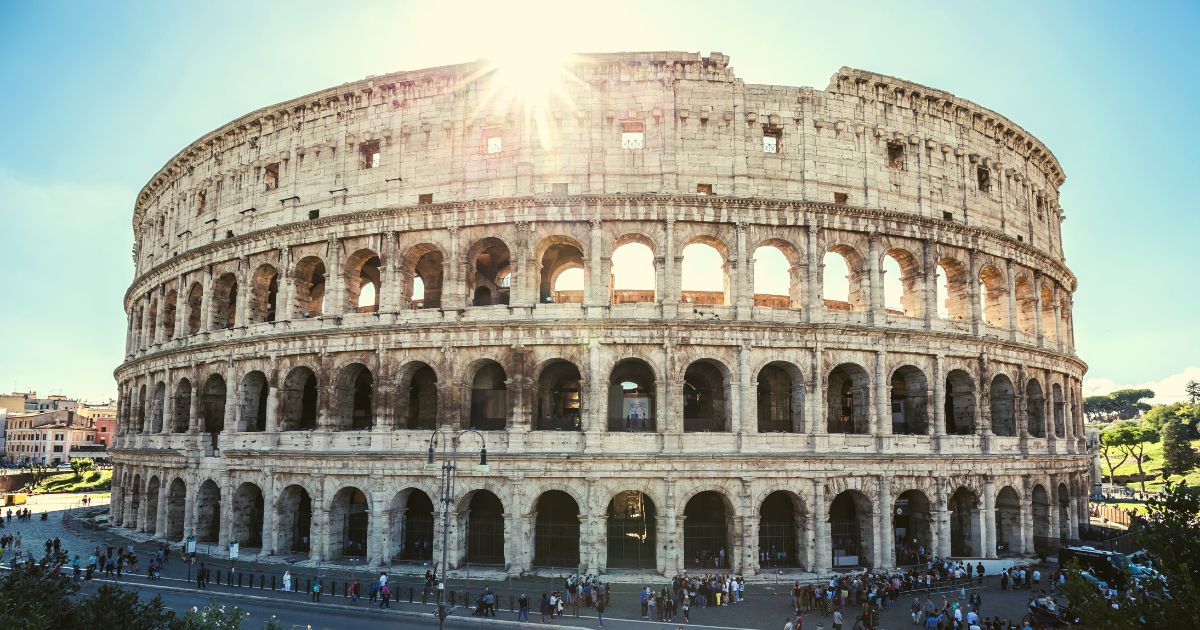
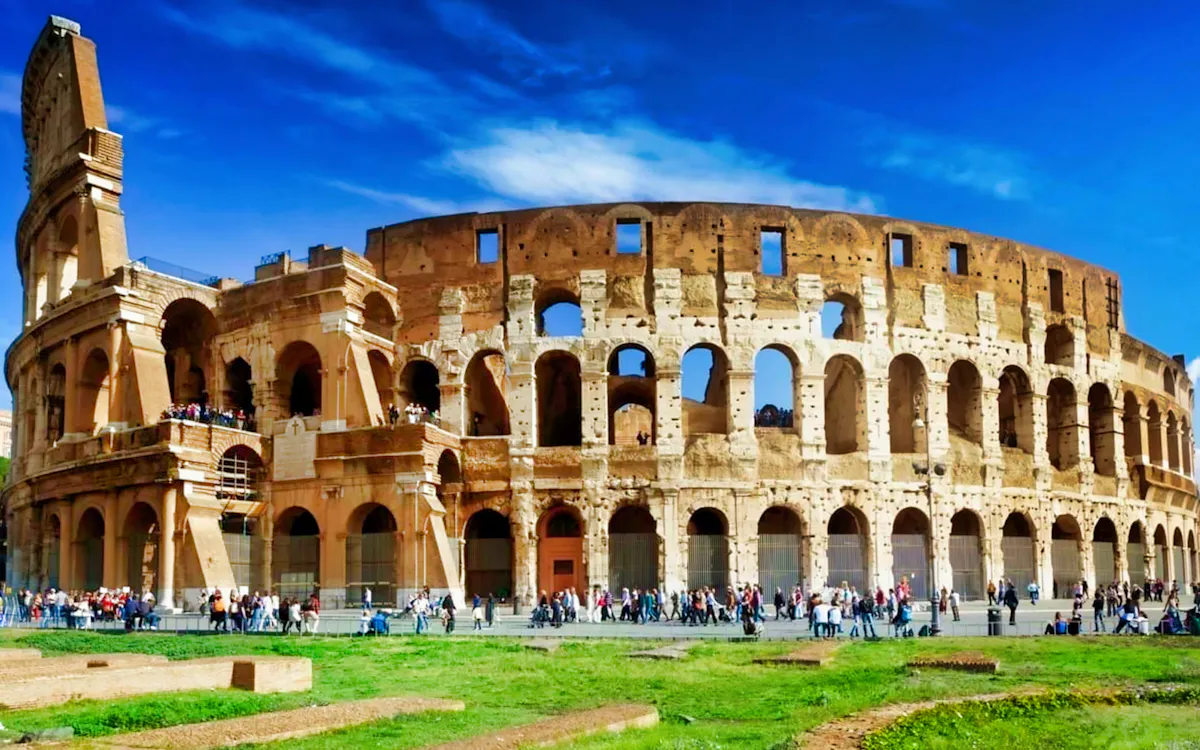
The Colosseum’s exterior is a testament to the skill and ingenuity of ancient Roman architects. The elliptical amphitheater measures approximately 189 meters long, 156 meters wide, and stands at a height of 48 meters. It consists of four stories, with each story adorned with a different architectural order – Doric, Ionic, and Corinthian. The outer wall of the Colosseum is composed of travertine limestone, which gives it its characteristic yellowish hue.
Interior Layout
The interior of the Colosseum was divided into various sections, including seating areas, underground chambers, and corridors. The seating area was divided into different tiers based on social status, with the highest tiers reserved for the common people and the lowest tiers for the elite. The vast seating capacity of the Colosseum allowed for approximately 50,000 to 80,000 spectators to watch the events unfold.
Underground Hypogeum
One of the most fascinating features of the Colosseum is its underground area known as the hypogeum. This intricate system of chambers and tunnels was used to house the gladiators, animals, and props before they made their grand entrance into the arena. The hypogeum was a marvel of engineering, with its complex network of ramps and lifts that enabled the efficient movement of people and objects, creating a sense of anticipation and spectacle.
Arena and Seating
The arena of the Colosseum, known as the arena floor, was a wooden stage covered with a layer of sand. This sandy surface not only absorbed the blood of gladiators and animals but also provided traction for their movements during combat. The seating area, divided by class and social hierarchy, provided spectators with an unobstructed view of the events taking place in the arena.
The Velarium
To shield the audience from the sun and provide relief from the sweltering heat, the Colosseum had a retractable awning called the velarium. This massive canvas structure was supported by a network of ropes and pulleys, which allowed it to be raised or lowered according to the weather conditions. The velarium not only protected the spectators from the elements but also added a touch of grandeur and spectacle to the events.
Materials Used
The construction of the Colosseum utilized a variety of materials, all sourced from different regions of the Roman Empire. The exterior façade was built using travertine limestone, which was quarried from nearby Tivoli. The interior structures, such as the walls and seating, were made of concrete. Iron clamps were used to hold the stone blocks together, ensuring stability and durability.
Construction Techniques of The Colosseum
Foundation and Substructure
The construction of the Colosseum began with the laying of a solid foundation, which consisted of concrete and travertine blocks. In total, the foundation of the Colosseum sank almost 13 meters into the ground to provide stability and support for the massive structure. The substructure of the Colosseum consisted of a complex network of vaults, corridors, and chambers, which served as storage areas and housed the mechanisms for the hypogeum.
This image is property of www.walksinsiderome.com.
Stone Selection and Preparation
The stones used for the construction of the Colosseum were carefully selected to ensure strength and durability. The travertine limestone blocks were quarried from Tivoli and transported to Rome using a series of pulleys, ramps, and barges. Once in Rome, the stones were cut, shaped, and smoothed by skilled stonemasons before being transported to the construction site.
Architectural Elements
The architectural elements of the Colosseum were based on classical Roman design principles. The use of the three different architectural orders – Doric, Ionic, and Corinthian – in the exterior façade adds a sense of grandeur and elegance to the structure. The arches, vaults, and columns used throughout the Colosseum are not only decorative but also serve a structural purpose, distributing the weight of the building and ensuring its stability.
Building Methods and Techniques
The construction of the Colosseum involved various building methods and techniques unique to the ancient Romans. The use of concrete, a mixture of volcanic ash, lime, and water, allowed for the creation of massive structures with impressive strength and durability. The combination of iron clamps and lead-based mortar between the stone blocks ensured stability, while the skilled craftsmanship of the stonemasons ensured the precise fitting and alignment of the stones.
Symbolism and Significance of The Colosseum
Power and Control
The Colosseum was not only a venue for entertainment but also a symbol of power and control for the Roman Empire. The construction of such a massive and impressive structure demonstrated the empire’s wealth and the authority of its rulers. The events held at the Colosseum were a way to assert dominance and reinforce the hierarchical structure of Roman society.
Social Division and Entertainment
The seating arrangement in the Colosseum was an embodiment of the social hierarchy of ancient Rome. The highest tiers were reserved for the common people, while closer to the arena were the noble class and the emperor’s entourage. The spectacles held in the Colosseum provided a form of entertainment for the Roman population, offering a temporary escape from their daily lives.
This image is property of cdn-imgix.headout.com.
Religious and Ritualistic Significance
The Colosseum held religious and ritualistic significance for the ancient Romans. The inauguration of the Colosseum was accompanied by elaborate ceremonies and sacrifices, which were believed to ensure the favor of the gods and the success of the empire. The events held in the Colosseum often had a religious component and were seen as offerings to the gods and a way to connect with the divine.
Architectural Legacy
The architectural design and engineering techniques used in the construction of the Colosseum left a lasting legacy on future generations of architects and builders. The innovative use of concrete, the intricate network of underground chambers, and the grandeur of the design continue to inspire and influence architectural styles around the world.
Restoration and Preservation Efforts
Early Restoration Efforts
The Colosseum has faced centuries of neglect, damage, and looting, resulting in significant deterioration. However, efforts to restore and preserve the Colosseum began as early as the Middle Ages. Pope Sixtus V initiated restoration works in the late 16th century, followed by various other restoration projects in the subsequent centuries. These early restoration efforts aimed to stabilize the structure and protect it from further decay.
Recent Conservation Projects
In recent years, extensive conservation and restoration projects have been undertaken to preserve the Colosseum for future generations. These projects have involved the stabilization of the structure, the removal of vegetation, and the reinforcement of the stone blocks. In 2016, a major restoration project was completed, which included the installation of a new lighting system, making it possible to admire the Colosseum’s grandeur even at night.
Challenges Faced
Preserving and restoring a structure as ancient and complex as the Colosseum comes with numerous challenges. The constant exposure to weather conditions, pollution, and the influx of millions of tourists each year pose a threat to the structure’s integrity. Additionally, the delicate balance between conservation and accessibility must be maintained, ensuring that the Colosseum remains open to the public while safeguarding its historical and architectural value.

This image is property of i0.wp.com.
Future Plans
The preservation of the Colosseum is an ongoing endeavor, and future plans include continued monitoring, maintenance, and restoration efforts. Various organizations and authorities are dedicated to ensuring the long-term survival of this iconic structure. These plans also include the development of new technologies and techniques to better understand and protect the Colosseum’s historical and architectural significance.
Visiting The Colosseum
Tourist Information
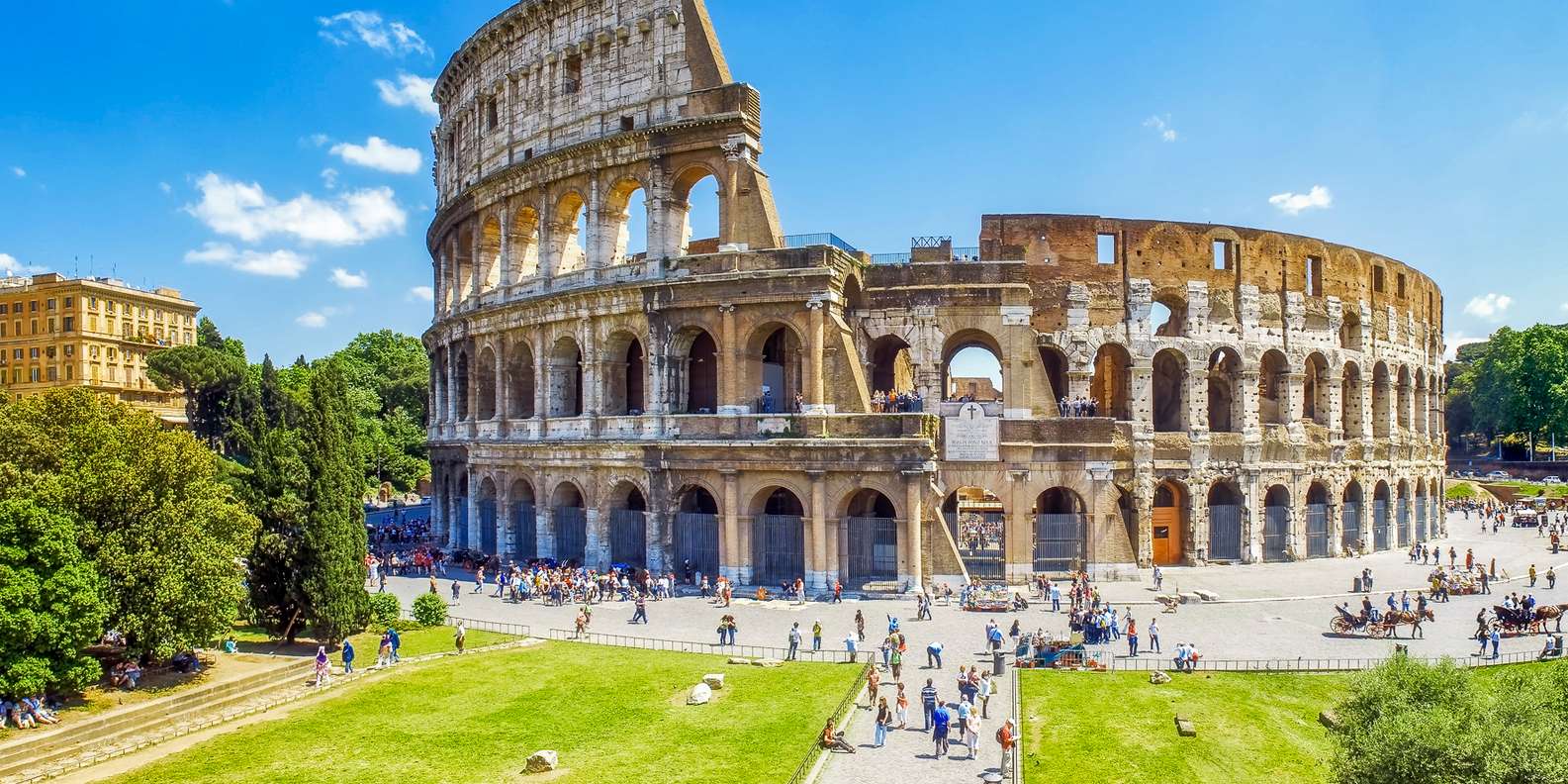
The Colosseum is located in the center of Rome, making it easily accessible to tourists. It is a UNESCO World Heritage Site and one of the most popular tourist attractions in the world. Visitors can access the Colosseum through its main entrance, the Arch of Constantine, which leads directly into the amphitheater.
Entrance Fees and Opening Hours
To visit the Colosseum, visitors are required to purchase a ticket, which also grants access to the Roman Forum and Palatine Hill. The entrance fees vary depending on age, nationality, and whether visitors opt for skip-the-line tickets or guided tours. The Colosseum has seasonal opening hours, with extended hours during the summer months to accommodate the large number of tourists.
Guided Tours and Audio Guides
To fully appreciate the historical and architectural significance of the Colosseum, guided tours and audio guides are available. These tours provide valuable insights into the structure’s history, its use during ancient Rome, and the significance of the various architectural features. Guided tours also offer access to restricted areas, such as the underground chambers and the arena floor.
Avoiding Crowds
Due to its immense popularity, the Colosseum can be crowded, especially during peak tourist seasons. To avoid the crowds, it is advisable to visit early in the morning or later in the evening. Purchasing skip-the-line tickets or booking a guided tour in advance can also help alleviate wait times and ensure a more enjoyable visit.
This image is property of cdn.getyourguide.com.
Things to See Inside
Inside the Colosseum, visitors can explore the various levels and seating areas, walk along the arena floor, and descend into the underground hypogeum. Archaelogical exhibitions showcasing artifacts and information about the Colosseum’s history are also on display. The breathtaking views of Rome from the upper tiers of the Colosseum are not to be missed.
Frequently Asked Questions about The Colosseum
What is the Colosseum made of?
The Colosseum is primarily made of travertine limestone, quarried from Tivoli. The interior structures, such as the walls and seating, are made of concrete. Iron clamps and lead-based mortar were used to hold the stone blocks together.
How many people could the Colosseum hold?
The Colosseum had a seating capacity of approximately 50,000 to 80,000 spectators, divided into different tiers based on social status.
Can you go inside the Colosseum?
Yes, visitors can go inside the Colosseum and explore its various levels, seating areas, and even walk along the arena floor. Access to certain areas, such as the underground chambers, may require a guided tour.
Why is the Colosseum a popular tourist attraction?
The Colosseum is a popular tourist attraction due to its historical and architectural significance. It is an iconic symbol of ancient Rome and offers visitors a glimpse into the grandeur and power of the Roman Empire.
Are there any special events held at the Colosseum?
While the Colosseum is primarily a historical site, special events such as concerts, theatrical performances, and exhibitions are occasionally held within its walls. These events offer a unique and memorable experience for visitors.
Exploring the Surrounding Area
Palatine Hill
Located adjacent to the Colosseum, Palatine Hill is one of the seven hills of Rome. It is the centermost of the seven hills and is known for its archaeological remains, including the ruins of imperial palaces and ancient Roman houses. A visit to Palatine Hill offers a fascinating glimpse into the daily life and opulence of ancient Rome.
Roman Forum
The Roman Forum, situated in the valley between the Palatine and Capitoline Hills, was the center of political, commercial, and social life in ancient Rome. This sprawling archaeological site contains the ruins of numerous temples, basilicas, and government buildings, providing a vivid picture of the city’s ancient past.
Arch of Constantine
Located near the Colosseum, the Arch of Constantine is a triumphal arch built to commemorate Emperor Constantine’s victory in the Battle of Milvian Bridge. It is a stunning example of Roman architecture and is adorned with intricate reliefs depicting scenes from Constantine’s military campaigns.
Nearby Museums
The area surrounding the Colosseum is home to several museums that further enrich visitors’ understanding of ancient Rome. The Capitoline Museums, located on Capitoline Hill, house an extensive collection of ancient artifacts and artwork. The National Roman Museum, spread across multiple locations in Rome, offers a comprehensive view of Roman history and culture through its vast collection of archaeological treasures.
Fun Facts about The Colosseum
Colosseum as a Movie Set
The grandeur and historical significance of the Colosseum have made it a sought-after location for filmmakers. Over the years, numerous movies and TV shows have utilized the Colosseum as a backdrop for epic scenes, including “Gladiator,” “Roman Holiday,” and “The Great Beauty.”
Colosseum in Popular Culture
The Colosseum has become an enduring symbol in popular culture, representing power, strength, and ancient Rome. It has appeared in various forms of media, from literature to video games, and is often depicted as a majestic and awe-inspiring structure.
Famous Events and Gladiators
The Colosseum witnessed countless legendary events and saw the rise and fall of many renowned gladiators. One of the most famous events held in the Colosseum was the inaugural games in 80 AD, which lasted for 100 days and featured diverse spectacles. Gladiators such as Spartacus and Commodus became legendary figures through their exploits in the Colosseum.
Curiosities and Anecdotes
The Colosseum holds various curiosities and anecdotes that captivate visitors’ imaginations. One such anecdote involves Emperor Domitian, who reportedly had an artificial lake created inside the Colosseum for a naval battle reenactment. Another curiosity is the large number of animals imported from different parts of the empire to participate in the various spectacles, including elephants and lions.
Conclusion
The Colosseum stands as a testament to the architectural prowess and grandeur of the ancient Romans. Its construction techniques, innovative design, and cultural significance continue to captivate and inspire people from around the world. Today, it remains an iconic symbol of Rome’s glorious past and serves as a living link to an ancient civilization that still holds fascination and influence in the modern world.
Also Read… New 7 Wonders of the World
Also Read.. The Great wall of China
Also Read.. Jordan and Petra
Also Read.. Christ the Redeemer Statue
Also Read.. Machu Picchu History Location Facts
Also Read.. Chichen Itza history, Location, Facts, Mysteries
Also Read.. Colosseum History, Locations, facts
Also Read.. Taj Mahal, History, Location, Facts
Also Read… TajMahal History, Facts