


I am thrilled to present an in-depth exploration of the TajMahal, an architectural masterpiece that showcases the rich history and grandeur of India. In this article, we will delve into the captivating story behind its creation and the enduring symbolism encapsulated within its walls. From its mesmerizing design to its intricate details, the Taj Mahal stands as a testament to the Mughal Empire’s opulence and the enduring power of love. Join me on this virtual journey as we uncover the fascinating secrets of this UNESCO World Heritage site.
History of the TajMahal
The Taj Mahal, a magnificent white marble mausoleum located in Agra, India, is widely regarded as one of the world’s most iconic and beautiful architectural wonders. Built in the 17th century, it stands as a testament to the rich history and grandeur of the Mughal Empire. Let’s delve into the history and significance of this awe-inspiring monument.
Construction of the Taj Mahal
The construction of the Taj Mahal took place from 1632 to 1653, under the patronage of the Mughal Emperor Shah Jahan. It was built as a mausoleum for his third wife, Mumtaz Mahal, who passed away during childbirth. The emperor, grief-stricken by her death, vowed to build a monument that would immortalize their love.
The Purpose Behind Its Creation
The Taj Mahal was conceived as a symbol of eternal love and devotion. Shah Jahan intended it as a final resting place for Mumtaz Mahal, where her mortal remains could be honored in perpetuity. The Taj Mahal stood as a testament to the emperor’s undying love and grief, serving as a tangible expression of his deep emotional connection to his beloved wife.
The Architectural Style of the Taj Mahal
The Taj Mahal is renowned for its exquisite blend of Persian, Indian, and Islamic architectural styles. It is a masterpiece of Mughal architecture, characterized by its symmetrical layout, elaborate decorative elements, and meticulous attention to detail. The monument showcases the skill and craftsmanship of thousands of artisans and craftsmen who worked diligently to bring Emperor Shah Jahan’s vision to life.
The Symbolism Behind the Taj Mahal
The Symbol of Eternal Love
The Taj Mahal is revered as a symbol of undying love and devotion. Its construction represents the eternal bond between Shah Jahan and Mumtaz Mahal. The monument’s ethereal beauty and delicate design evoke a sense of timeless romance, captivating visitors from around the world. The Taj Mahal stands as a symbol of everlasting love, inspiring countless stories, poems, and songs throughout history.
Influence of Islamic Art and Architecture
Islamic art and architecture played a significant role in shaping the design of the Taj Mahal. The exquisite calligraphy, intricate geometric patterns, and arabesque motifs found throughout the monument showcase the influence of Islamic artistic traditions. The Taj Mahal’s minarets, domes, and arches reflect the architectural principles of the time, combining elements of Persian, Indian, and Islamic styles to create a harmonious and awe-inspiring structure.
The Construction of the Taj Mahal
The Construction Process
The construction of the Taj Mahal was a monumental undertaking, requiring the labor and expertise of thousands of artisans, craftsmen, and laborers. Skilled architects and engineers meticulously planned every aspect of the monument, ensuring its structural integrity and aesthetic appeal. The construction process involved the use of traditional building techniques, such as marble carving, inlay work, and masonry, which were perfected over generations.
Materials Used in the Construction
The Taj Mahal is primarily constructed using white marble, sourced from the neighboring regions. This pristine marble was meticulously cut and shaped to create the monument’s iconic façade. The interior walls and domes are adorned with intricate inlay work, using semi-precious stones like jasper and jade, adding to the opulence and grandeur of the structure.
Architectural Features of the Taj Mahal
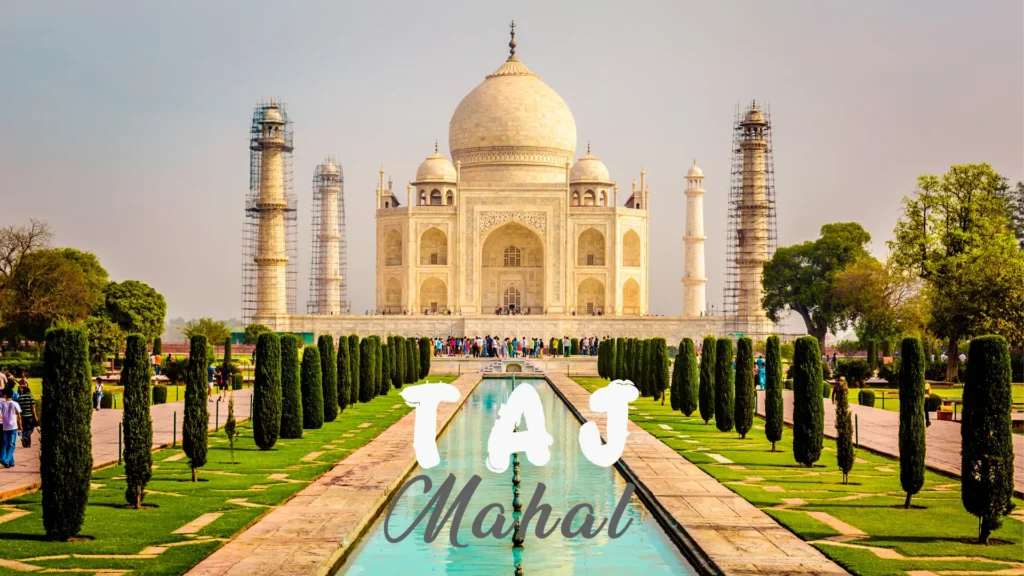
The Taj Mahal is renowned for its architectural splendor and symmetrical design. The main structure is flanked by four minarets, each standing tall at the corners of the platform. The central dome, with its exquisite proportions, dominates the skyline. The monument is adorned with intricate carvings, calligraphy, and decorative elements, including the iconic lotus motifs and delicate jali screens. The Taj Mahal’s meticulous design creates a sense of balance and harmony, captivating visitors with its timeless beauty.
Fascinating Facts about the Taj Mahal
The White Marble
The Taj Mahal’s stunning white marble façade is renowned for its shimmering beauty. The marble was chosen for its ability to reflect light and change color throughout the day, giving the monument an ethereal and ever-changing appearance. The pristine white surface, combined with intricate inlay work and delicate carvings, creates a breathtaking visual spectacle.
The Mughal Gardens
The Taj Mahal is surrounded by lush Mughal gardens, known as “Charbagh,” which adds to its scenic beauty. These meticulously manicured gardens are divided into four quadrants by pathways and water channels, symbolizing the paradise mentioned in Islamic scriptures. The symmetrical layout of the gardens enhances the overall harmony and balance of the monument’s design.
The Reflective Pool
In front of the Taj Mahal, there is a large rectangular pool, known as the “reflected pool,” which mirrors the majestic façade of the monument. This reflective feature adds a sense of depth and magnificence to the overall composition, creating a captivating visual effect. The serene and tranquil ambiance created by the pool further enhances the visitors’ experience.
The Calligraphy
The Taj Mahal is adorned with intricate calligraphy, showcasing verses from the Quran and decorative inscriptions. Skilled calligraphers carefully etched these inscriptions using black stone, harmoniously integrating them into the monument’s design. The calligraphy serves both a decorative and religious purpose, adding an element of sacredness to the overall ambiance.
The Four Minarets
The Taj Mahal is flanked by four towering minarets, offering a striking visual contrast to the main dome. These minarets serve both practical and symbolic purposes. They provide a sense of scale and proportion to the monument while also symbolizing the four corners of the world. The minarets further enhance the monument’s grandeur and architectural harmony.
The Historical Significance of the Taj Mahal
The Mughal Empire
The construction of the Taj Mahal took place during the height of the Mughal Empire, a period known for its cultural, artistic, and architectural achievements. The Mughals established a powerful and prosperous empire across the Indian subcontinent, ushering in a golden period of Islamic art, literature, and architecture. The Taj Mahal stands as a testament to the splendor and grandeur of the Mughal Empire.
Shah Jahan’s Reign
Emperor Shah Jahan, who commissioned the construction of the Taj Mahal, ruled over the Mughal Empire from 1628 to 1658. His reign is often referred to as a period of unparalleled opulence and architectural brilliance. Shah Jahan’s patronage of the arts and his passion for grandiose monuments, culminating in the creation of the Taj Mahal, solidify his place in history as a visionary ruler.
The Decline of the Mughal Dynasty
The Mughal Empire experienced a gradual decline following Shah Jahan’s reign. Political instability, succession conflicts, and external invasions weakened the empire, leading to its eventual downfall. Despite the empire’s decline, the Taj Mahal remained a symbol of artistic and architectural brilliance, and its significance grew with time, earning recognition as a UNESCO World Heritage Site.
Visiting the Taj Mahal
Location and Accessibility
The Taj Mahal is located in Agra, Uttar Pradesh, India. It enjoys excellent accessibility through various modes of transport, including air, rail, and road. The nearest airport, Agra Airport, connects major cities within India. Agra is also well-connected by rail, with regular train services from major cities like Delhi and Jaipur. Additionally, several bus services operate to and from Agra.
Entrance Fees and Timings
Visitors to the Taj Mahal are required to purchase tickets for entry. The entrance fees vary for domestic and international visitors, with different rates for Indian citizens and foreign tourists. The monument is open to tourists from sunrise to sunset, except on Fridays when it is closed for prayers. It is advisable to check the official website or consult local tourism offices for up-to-date information on fees and timings.
Best Time to Visit
The Taj Mahal is best experienced during the early morning hours when the air is cooler, and the crowds are relatively sparse. The soft early morning light casts a golden glow upon the marble monument, creating a magical ambiance. However, irrespective of the time of day, the Taj Mahal’s beauty is unparalleled and should be witnessed by all enthusiasts of history, art, and architecture.
The Grandeur of the Taj Mahal
The Exterior
The Taj Mahal’s exterior truly astounds visitors with its sheer magnificence. The gleaming white marble, adorned with intricate carvings and inlay work, stands as a testament to the brilliance of Mughal architecture. The symmetrical layout, complemented by the minarets and expansive gardens, creates a harmonious visual composition. The Taj Mahal’s exterior is a sight to behold, leaving a lasting impression on all who behold its splendor.
The Interior
The interior of the Taj Mahal is equally captivating, featuring intricate artwork, exquisite inlays, and delicate carvings. Visitors enter through a majestic gateway, known as the Darwaza-i-Rauza, which leads to the main mausoleum. Inside, they are greeted with a breathtaking sight – the white marble cenotaphs of Shah Jahan and Mumtaz Mahal, meticulously adorned with floral motifs and precious stones.
The Main Dome
The central dome of the Taj Mahal is the crowning glory of its architectural design. Rising gracefully from the roofline, the dome is adorned with delicate patterns, calligraphy, and decorative elements. It is a remarkable feat of engineering, perfectly proportioned and visually striking. The dome’s translucent marble allows natural light to filtrate, creating a mesmerizing play of light and shadow inside the mausoleum.
The Decorative Elements
Every inch of the Taj Mahal is adorned with exquisite decorative elements, showcasing the mastery of Mughal craftsmen. Floral motifs, arabesque patterns, and geometric designs embellish the walls, pillars, and ceilings, adding to the monument’s allure. The delicate jali screens, intricately carved from marble, filter light and cast mesmerizing shadows, further enhancing the monument’s ethereal beauty.
Preservation and Restoration Efforts
Preservation Measures
Given the Taj Mahal’s historical and cultural significance, efforts to preserve and protect the monument have been ongoing. Conservation agencies, both government and non-governmental, work tirelessly to prevent the deterioration of the structure and its decorative elements. Stringent measures are in place to control pollution, limit visitor impact, and address any structural issues that may arise over time.
Restoration Projects
Over the years, several restoration projects have been undertaken to ensure the preservation of the Taj Mahal’s grandeur. These projects involve careful cleaning of the marble surfaces, restoration of damaged portions, and the repair of structural elements. The aim is to maintain the monument’s original beauty while ensuring its long-term sustainability. Skilled artisans and conservation experts closely collaborate to execute these restoration efforts, employing traditional techniques to maintain authenticity.
The Taj Mahal in Popular Culture
Literature
The Taj Mahal has inspired countless works of literature, with many famous authors incorporating its beauty and symbolism into their writings. From the poetic verses of Rabindranath Tagore to the lyrical prose of Rabindranath Tagore, the Taj Mahal’s enchanting allure has captivated the literary world. It continues to serve as a muse for writers and poets, providing a rich source of inspiration.
Film
The Taj Mahal’s grandeur has also been showcased in numerous films, both from India and abroad. From Bollywood classics to Hollywood blockbusters, the monument’s timeless beauty has graced the silver screen. Filmmakers and cinematographers have skillfully captured the monument’s ethereal charm, showcasing its romantic appeal and cultural significance to a global audience.
Music
Musicians and composers have drawn inspiration from the Taj Mahal’s majestic presence, infusing their compositions with its grandeur and symbolism. Classical ragas, contemporary ballads, and devotional hymns have all been composed in praise of this architectural marvel. The Taj Mahal’s association with love and devotion resonates deeply in musical creations, evoking a range of emotions.
Modern Influences
Beyond literature, film, and music, the Taj Mahal continues to serve as an icon of cultural heritage in the modern world. Its image is featured in travel promotions, postcards, and memorabilia, making it a recognizable symbol globally. The monument’s legacy transcends time and borders, captivating the imaginations of people from all walks of life.
Controversies Surrounding the Taj Mahal
The Mughal Origin Debate
The Taj Mahal’s construction has been subject to various debates and controversies, with some scholars challenging its Mughal origin. Alternative theories propose different builders and motives behind its creation. However, the dominant consensus among historians supports the Mughal origin of the Taj Mahal, attributing its construction to Emperor Shah Jahan as a testament to his love for Mumtaz Mahal.
Threats to the Taj Mahal
Despite preservation efforts, the Taj Mahal faces several threats. Air pollution, the encroachment of industries, and rising levels of environmental degradation pose significant challenges to its structural integrity. Efforts are being made to mitigate these threats and ensure the monument’s long-term survival.
Impact of Tourism on the Monument
While the Taj Mahal’s popularity as a tourist destination brings economic benefits, mass tourism also poses challenges to its preservation. The sheer number of visitors can place stress on the monument, leading to issues related to pollution, littering, and wear and tear. Sustainable tourism practices and visitor management strategies are being implemented to strike a balance between accessibility and preservation.
In conclusion, the Taj Mahal stands as an enduring symbol of love, architectural brilliance, and cultural heritage. Its historical significance, grandeur, and timeless beauty continue to captivate visitors from around the world. The monument serves as a poignant reminder of the Mughal Empire’s opulence and the everlasting power of love. Preserving and appreciating the Taj Mahal is crucial to safeguarding this invaluable cultural treasure for future generations to admire and cherish.
Also Read… New 7 Wonders of the World
Also Read.. The Great wall of China
Also Read.. Jordan and Petra
Also Read.. Christ the Redeemer Statue
Also Read.. Machu Picchu History Location Facts
Also Read.. Chichen Itza history, Location, Facts, Mysteries
Also Read.. Colosseum History, Locations, facts
Also Read.. Taj Mahal, History, Location, Facts
Also Read… TajMahal History, Facts
Also Read…