

Benefits of Urban Gardening
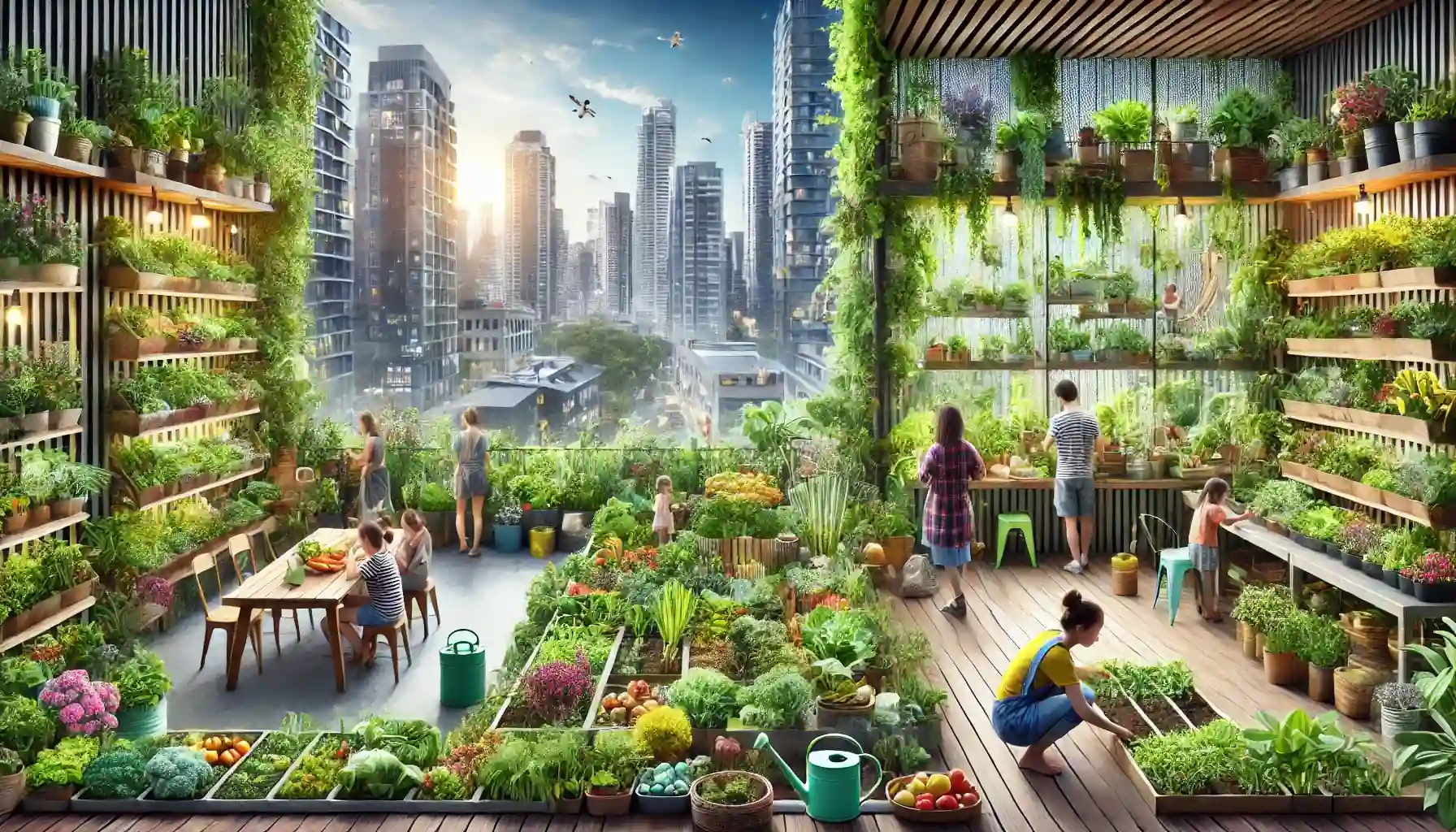
In today’s fast-paced world, cities are growing rapidly, and green spaces are disappearing. However, urban gardening is bringing nature back into city life. Whether it’s a rooftop garden, balcony planters, or a community farm, urban gardening provides numerous benefits for individuals and communities. It not only improves the environment but also enhances mental well-being and food security. Let’s explore why urban gardening is essential for modern city living.
1. Improves Air Quality
One of the biggest challenges in cities is air pollution. Urban gardens help clean the air by absorbing carbon dioxide and releasing oxygen.
- Plants filter harmful pollutants, making the air cleaner and fresher.
- Trees and plants reduce dust and improve overall air quality.
- More green spaces mean a healthier urban environment.
2. Promotes Sustainable Living
Urban gardening encourages sustainability by promoting eco-friendly practices.
- Reduces reliance on packaged store-bought produce.
- Minimizes food transportation, cutting down carbon emissions.
- Encourages composting, which reduces household waste.
3. Supports Mental and Physical Health
Gardening has been linked to numerous mental health and physical health benefits.
- Reduces stress, anxiety, and depression by connecting people with nature.
- Encourages physical activity, improving fitness and overall well-being.
- Provides a sense of accomplishment and joy from nurturing plants.
4. Enhances Food Security
With rising food prices and supply chain issues, urban gardening provides a reliable source of fresh food.
- Encourages self-sufficiency by growing fruits, vegetables, and herbs at home.
- Reduces dependency on supermarket produce.
- Community gardens help low-income families access nutritious food.
5. Strengthens Community Bonds
Community gardens bring people together and strengthen urban communities.
- Encourages teamwork and shared responsibility.
- Provides opportunities for social interaction and knowledge sharing.
- Creates a sense of belonging and collective pride in maintaining green spaces.
6. Maximizes Small Spaces
Many city dwellers assume they don’t have space for gardening, but urban gardening makes the most of limited areas.
- Vertical gardens and rooftop gardens optimize space efficiently.
- Balcony and window planters allow people to grow fresh herbs and vegetables.
- Small indoor gardens help bring greenery into apartments and offices.
7. Helps Cool Cities and Reduce Noise Pollution
Concrete buildings absorb heat, making cities hotter, but urban gardens can help lower temperatures.
- Green rooftops reduce the urban heat island effect.
- Plants provide shade and cool the air, making cities more comfortable.
- Trees and greenery help absorb noise, creating a quieter environment.
8. Encourages Biodiversity
Even in busy cities, urban gardening supports local wildlife and pollinators like bees and butterflies.
- Native plants provide food and shelter for birds and insects.
- Increases biodiversity and helps maintain ecological balance.
- Gardens with diverse plant life contribute to a healthier environment.
9. Provides Educational Opportunities
Gardening teaches valuable lessons about nature, sustainability, and responsibility.
- Schools can use urban gardens to educate students about healthy eating and ecology.
- Encourages children and adults to reconnect with food sources.
- Teaches patience, care, and environmental responsibility.
Urban Gardening is the Future
As cities expand, incorporating urban gardening into everyday life is crucial. From reducing pollution to promoting mental well-being and sustainability, the benefits of growing plants in urban areas are endless. Whether you start with a small herb garden or join a community project, you are making a difference.
Call to Action
Want to share your insights and experiences? Claadss is an online website where you can post blogs and articles to gain visibility and get backlinks. Start publishing today on claadss!