


Marketing plays a pivotal role in the success and growth of any business. With its ability to identify and anticipate the needs of customers, marketing strategies enable companies to effectively position their products or services in a competitive marketplace. By leveraging various channels such as advertising, branding, and market research, businesses can foster customer engagement, build brand loyalty, and ultimately drive sales. In this article, I will explore the significance of marketing in business and illustrate how it can contribute to long-term profitability and sustained growth.
The Role of Marketing in Business

In today’s highly competitive business landscape, marketing plays a crucial role in the success and growth of a company. Marketing is the process of identifying, anticipating, and satisfying customer needs and wants through creating, communicating, delivering, and exchanging offerings that have value for customers and society at large. It is a dynamic field that encompasses various strategies and activities aimed at promoting products or services, building brand awareness, generating leads, and ultimately driving sales and revenue.
Defining Marketing
Marketing is more than just advertising or selling products. It involves a strategic approach that encompasses market research, analysis, decision-making, and implementation of marketing plans. It focuses on understanding customer needs, developing and marketing products/services that meet those needs, and communicating the value and benefits of these offerings to the target audience.
Importance of Marketing
Marketing plays a pivotal role in business for several reasons. Firstly, it drives business growth by identifying and capitalizing on market opportunities. By conducting thorough market research and analysis, companies can gain insights into consumer preferences, market trends, and competitors’ strategies. This knowledge enables businesses to develop effective marketing plans and strategies that resonate with target customers and differentiate them from competitors.
Moreover, marketing helps companies increase their market share by attracting new customers and retaining existing ones. Through various marketing activities such as advertising, public relations, and promotional campaigns, companies can create brand awareness, enhance their reputation, and build customer loyalty. This leads to increased market share and a larger customer base.
Additionally, marketing allows businesses to gain a competitive advantage in the marketplace. By understanding consumer needs and preferences, companies can develop unique value propositions and differentiate their products or services from competitors. This differentiation can be achieved through product innovation, superior customer service, or effective marketing communication strategies that highlight the unique features and benefits of the offering.
Furthermore, marketing enables businesses to build long-term relationships with customers. By implementing customer relationship management strategies, companies can gain valuable insights into customer behavior, preferences, and purchasing patterns. This information allows businesses to tailor their marketing efforts to individual customers, offer personalized experiences, and develop customer loyalty programs that reward and retain loyal customers.
Lastly, marketing helps companies expand their market reach by targeting new customer segments and exploring new markets. By identifying untapped markets or potential customer segments, businesses can develop marketing strategies that effectively reach and engage these audiences. This can involve adapting products or services to meet the specific needs of these markets, utilizing different marketing channels, or partnering with local influencers or organizations to increase brand visibility.

Marketing Objectives
To achieve success in marketing, it is essential for businesses to set clear objectives that align with their overall business goals. These objectives serve as guidelines for the development and implementation of marketing strategies and activities. Some common marketing objectives include increasing sales and revenue, building brand awareness, generating leads, enhancing customer loyalty, and expanding market reach.
Setting clear goals allows businesses to measure the effectiveness of their marketing efforts and make informed decisions. It also ensures that all marketing activities are focused and aligned with the overall business strategy, maximizing the return on investment.
Building Brand Awareness
Building brand awareness is a crucial aspect of marketing, as it enables companies to establish a strong presence in the minds of customers. A strong brand identity helps differentiate a company or product from its competitors and builds trust and familiarity among consumers.
To create a strong brand identity, companies need to develop a clear brand message, logo, and visual identity that resonate with the target audience. Effective marketing communication is essential in conveying this message to the target market. This can be done through various channels, including traditional advertising, digital marketing, social media, and public relations.
Implementing branding strategies involves consistent and strategic positioning of the brand across all marketing touchpoints. This includes product packaging, website design, advertising campaigns, and customer service interactions. By effectively building brand awareness, companies can attract and retain customers, foster brand loyalty, and ultimately drive sales and revenue.

Generating Leads
Lead generation is a critical component of marketing, as it involves identifying potential customers who are interested in a company’s products or services. Generating qualified leads involves understanding the target audience and implementing targeted marketing campaigns that resonate with their needs and preferences.
To identify the target audience, companies need to conduct market research and segmentation. This involves analyzing demographics, psychographics, and purchasing behaviors of potential customers. With this information, businesses can develop effective lead generation campaigns that reach the right audience through various channels such as email marketing, social media advertising, content marketing, and search engine optimization.
Once leads are generated, it is essential to capture and qualify them effectively. Lead capture methods can include online forms, landing pages, and call-to-actions that prompt visitors to provide their contact information in exchange for valuable content or offers. Lead qualification methods involve assessing the level of interest, budget, and purchasing timeline of the leads to prioritize and focus on those with a higher likelihood of conversion.
Increasing Sales and Revenue
One of the primary goals of marketing is to increase sales and revenue for a company. This involves developing effective sales strategies, implementing promotional activities, and managing the sales funnel.
To increase sales, companies need to develop strategies that target and engage the right customers, highlight the unique selling points of the products or services, and offer competitive pricing. This can be achieved through various methods such as direct sales, online sales, retail partnerships, and distribution channels.
Promotional activities and campaigns play a crucial role in driving sales. These can include discounts, special offers, loyalty programs, and product bundling to incentivize customers to make a purchase. Effective promotional activities should be aligned with the overall marketing objectives and should create a sense of urgency or exclusivity to drive conversion.
Managing the sales funnel involves tracking leads and prospects at each stage of the customer journey, from awareness to purchase. By analyzing the sales funnel, companies can identify bottlenecks, optimize conversion rates, and implement strategies to improve sales performance.

Market Research and Analysis
Market research and analysis are critical aspects of marketing that help businesses gain insights into market trends, consumer preferences, and competitors’ strategies. By conducting thorough market research, companies can make informed decisions and develop effective marketing plans and strategies.
Identifying market trends and opportunities involves monitoring consumer behavior, industry developments, and emerging technologies. This allows businesses to anticipate changes and adapt their marketing strategies accordingly. Competitor analysis is essential in understanding the strengths and weaknesses of competitors and finding opportunities to differentiate and outperform them.
Gathering customer insights enables companies to understand their target audience better, their needs, preferences, and pain points. This information forms the basis for developing effective marketing campaigns that resonate with customers and drive engagement and conversion. Evaluating marketing campaigns involves analyzing the effectiveness of marketing activities and strategies to determine their impact on sales, revenue, and customer satisfaction.
Customer Relationship Management
Customer relationship management (CRM) is a vital element of marketing that focuses on building and maintaining long-term relationships with customers. A robust CRM strategy involves creating and maintaining a customer database, implementing customer segmentation, developing customer loyalty programs, and providing excellent customer service.
Creating and maintaining a customer database enables companies to collect and store customer information, including contact details, demographics, purchasing history, and preferences. This information allows businesses to personalize marketing communication, tailor product offerings, and provide targeted promotions or offers to individual customers.
Implementing customer segmentation involves dividing the customer base into distinct groups based on common characteristics such as demographics, psychographics, or purchasing behavior. This allows businesses to develop targeted marketing strategies and communication that appeal to each customer segment.
Developing customer loyalty programs is an effective way to nurture existing customers and encourage repeat purchases. These programs can include rewards, discounts, exclusive offers, and personalized experiences that incentivize loyalty and build long-term relationships with customers.
Providing excellent customer service is crucial in maintaining customer satisfaction and loyalty. By offering prompt and effective customer support, businesses can enhance the overall customer experience and build trust and loyalty among their customers.
Marketing Strategies
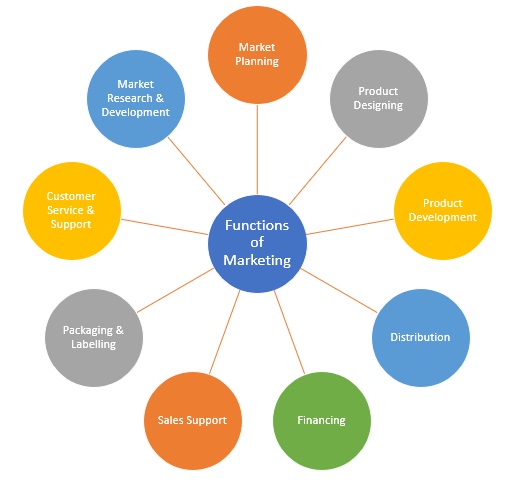
Developing effective marketing strategies involves aligning marketing plans with overall business goals and targeting specific market segments. It also includes positioning and differentiating the product, implementing pricing and distribution strategies, and promoting and communicating the offering.
Marketing plans are comprehensive documents that outline the specific marketing objectives, strategies, and activities to be executed. These plans serve as a roadmap for businesses, ensuring that marketing efforts are focused, cohesive, and aligned with the overall business strategy.
Targeting specific market segments involves identifying distinct groups of customers that share common characteristics and needs. By understanding these target segments, businesses can develop marketing strategies and communication that resonate with their specific needs and preferences.
Positioning and differentiating the product or service involves creating a unique value proposition that sets it apart from competitors. This can be achieved through emphasizing unique features, quality, convenience, or customer service. Effective positioning helps create a positive perception of the product or service in the minds of customers.
Implementing pricing and distribution strategies involves determining the most effective pricing structure and distribution channels that maximize sales and revenue. By analyzing market conditions, competition, and customer willingness-to-pay, businesses can set competitive prices and choose distribution channels that reach the target audience effectively.
Promoting and communicating the offering involves developing marketing communication strategies and activities that create awareness, generate interest, and drive conversion. This can include advertising campaigns, public relations, content marketing, social media marketing, and influencer partnerships.
In conclusion, marketing plays a vital role in the success and growth of a business. It encompasses various strategies and activities aimed at promoting products or services, building brand awareness, generating leads, and driving sales and revenue. By understanding customer needs, developing effective marketing strategies, and implementing innovative marketing plans, businesses can build strong brand identities, increase market share, foster customer loyalty, and ultimately achieve their business objectives.
Also Read…What is the definition of marketing | Marketing Guide 2024
Also Read… The Role of Marketing in Business in 2024
Also Read… What is the Role of Influencers in Modern Marketing