

Digital marketing is a crucial aspect of modern business strategies, and it has completely transformed the way companies connect with their target audience. In this article, we aim to provide a comprehensive understanding of the basics of digital marketing. We will explore topics such as the history of digital marketing, its importance in today’s competitive landscape, different types of digital marketing, and the benefits it offers. Additionally, we will delve into how to create a digital marketing strategy that effectively utilizes content marketing, social media marketing, pay-per-click marketing, affiliate marketing, native advertising, influencer marketing, marketing automation, email marketing, and mobile marketing. By implementing these strategies and utilizing relevant keywords and tags, businesses can boost their online visibility and stay ahead of the competition.
Understanding the Basics of Digital Marketing
Digital marketing has become an integral part of business strategies today. With the rise of technology and the internet, businesses are now able to reach a wider audience and market their products and services efficiently. But what exactly is digital marketing? In this article, we will explore the basics of digital marketing, its history, its importance, different types of digital marketing, and how to create a digital marketing strategy.
What Is Digital Marketing?
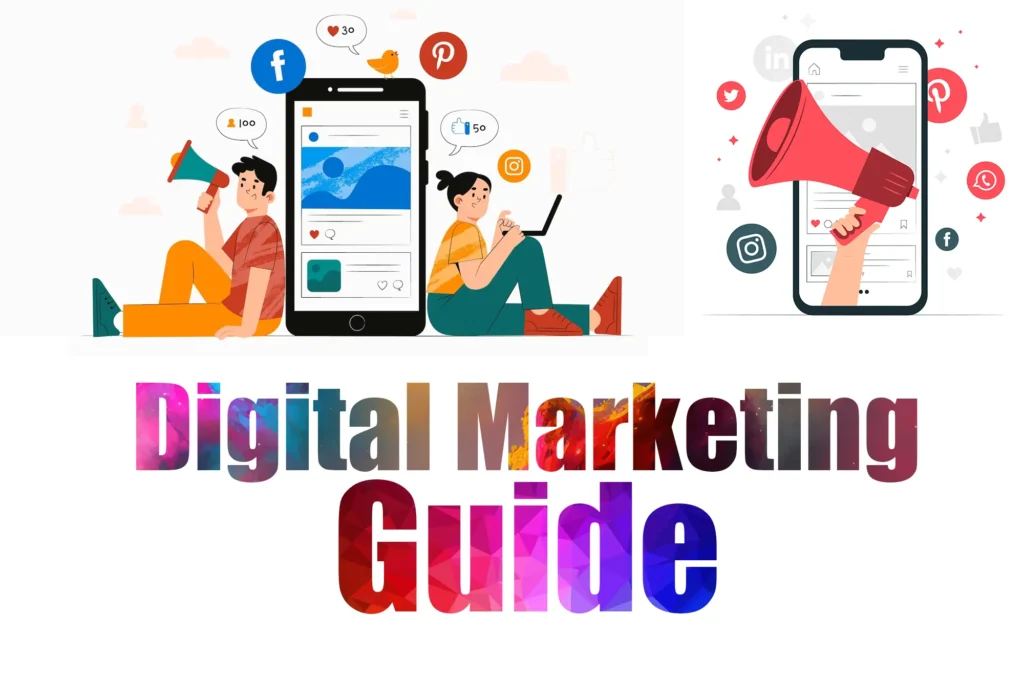
Digital marketing refers to the use of digital channels such as websites, search engines, social media platforms, email, and mobile devices to promote products or services. It involves using various online marketing techniques to reach a targeted audience and generate leads or sales. Digital marketing has become increasingly popular due to its cost-effectiveness and ability to provide measurable results.
The History of Digital Marketing
The concept of digital marketing can be traced back to the late 1990s and early 2000s when the internet started gaining popularity. Initially, businesses mainly used websites and email campaigns to reach their audience. However, with the advent of social media platforms like Facebook and Twitter, digital marketing strategies started to evolve. The rise of search engines like Google also played a significant role in shaping digital marketing techniques as businesses began to focus on search engine optimization (SEO) to improve their online visibility.
Why Is Digital Marketing Important?
Digital marketing is important for businesses of all sizes as it offers numerous benefits. Firstly, it allows businesses to reach a larger audience compared to traditional marketing methods. With billions of people using the internet daily, digital marketing opens up new opportunities for businesses to connect with potential customers from around the world.
Secondly, digital marketing is cost-effective. Traditional marketing methods such as TV and radio ads, billboards, and direct mail can be expensive and may not provide the same level of targeting and measurability as digital marketing techniques. With digital marketing, businesses can set a budget that suits their needs and track the effectiveness of their campaigns in real-time.
Thirdly, digital marketing offers better targeting and personalization. Through techniques like email marketing and social media advertising, businesses can segment their audience based on demographics, interests, and behavior, allowing them to tailor their messages and offers to specific groups of people. This level of personalization helps to increase conversions and customer satisfaction.
Lastly, digital marketing provides valuable insights and analytics. With various tools and platforms available, businesses can track the performance of their campaigns and gain insights into customer behavior. This data can then be used to optimize future marketing strategies and improve overall business performance.
B2B versus B2C Digital Marketing
Digital marketing strategies can vary depending on whether a business operates in a business-to-business (B2B) or business-to-consumer (B2C) environment.
In B2B digital marketing, the focus is on targeting other businesses as customers. Strategies may include content marketing, email marketing, social media advertising, and search engine marketing. B2B digital marketing often involves a longer sales cycle and building relationships with key decision-makers.
On the other hand, B2C digital marketing is aimed at reaching individual consumers. Strategies for B2C marketing may include influencer marketing, social media advertising, pay-per-click advertising, and content marketing. B2C marketing often emphasizes the emotional aspect of buying and focuses on creating brand loyalty.
Types of Digital Marketing
Digital marketing encompasses a wide range of techniques and channels. Here are some of the most common types of digital marketing:
Content Marketing
Content marketing is the creation and distribution of valuable, relevant, and consistent content to attract and engage a target audience. It involves creating blog posts, articles, videos, infographics, and other forms of content that provide value to the target audience.
Social Media Marketing
Social media marketing involves using social media platforms like Facebook, Instagram, Twitter, and LinkedIn to promote products or services. It includes activities such as creating social media profiles, posting engaging content, running ads, and interacting with followers.
Pay-per-click Marketing
Pay-per-click (PPC) marketing is a form of online advertising where businesses pay a fee each time their ad is clicked. This type of marketing is commonly used on search engines like Google and Bing, as well as on social media platforms like Facebook and Instagram.
Affiliate Marketing
Affiliate marketing is a performance-based marketing strategy where individuals or businesses (affiliates) earn a commission for promoting other people’s products or services. Affiliates use unique links or codes to track their referrals and commission payments.
Native Advertising
Native advertising involves creating ads that match the form and function of the platform on which they appear. These ads blend in with the surrounding content and are often seen as less intrusive, resulting in higher engagement rates.
Influencer Marketing
Influencer marketing involves collaborating with influential individuals in a specific industry or niche to promote products or services. Influencers typically have a large following on social media platforms and can help businesses reach their target audience effectively.
Marketing Automation
Marketing automation refers to the use of software tools and platforms to automate repetitive marketing tasks such as email marketing, lead nurturing, and social media posting. This technology saves time and allows businesses to deliver personalized messages at scale.
Email Marketing
Email marketing involves sending targeted emails to a list of subscribers to promote products, share updates, or nurture customer relationships. It is one of the most effective digital marketing techniques for building customer loyalty and driving conversions.
Mobile Marketing
Mobile marketing focuses on reaching users on their mobile devices, such as smartphones and tablets. Techniques include mobile advertising, SMS marketing, and mobile app marketing. With the increasing use of mobile devices, businesses need to optimize their marketing strategies for mobile platforms.
How to Create a Digital Marketing Strategy
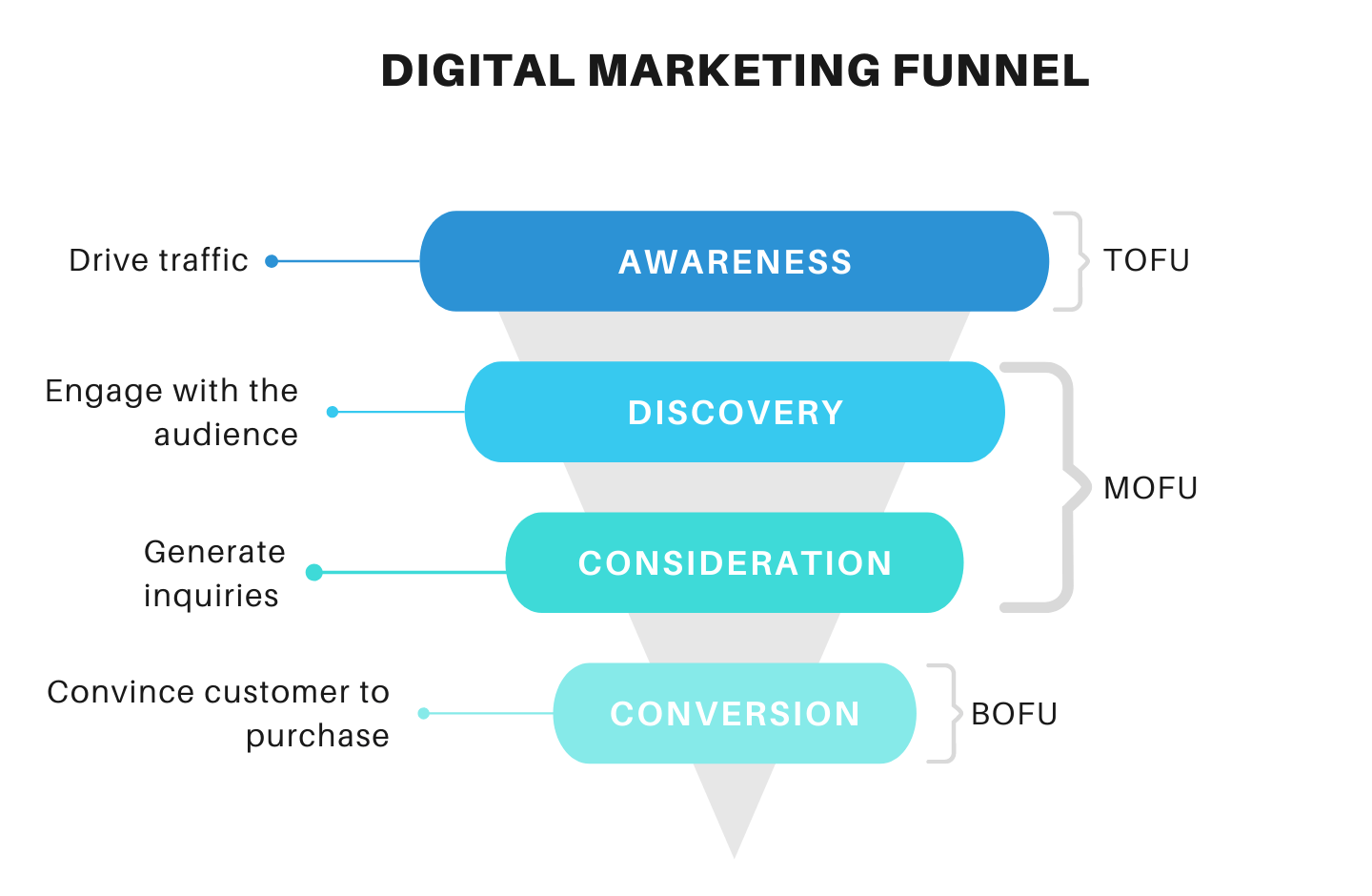
Creating a digital marketing strategy involves several steps and considerations. Here are some key steps to help you get started:
- Define your goals: Clearly outline what you want to achieve through your digital marketing efforts. Whether it’s increasing brand awareness, driving website traffic, or generating leads, setting specific goals will guide your strategy.
- Identify your target audience: Understand who your ideal customers are and what channels they use. This will help you tailor your messaging and select the most effective digital marketing channels.
- Conduct market research: Gather information about your industry, competitors, and target market. Identify trends, consumer behavior, and opportunities that you can leverage to gain a competitive advantage.
- Choose the right digital marketing channels: Based on your goals and target audience, select the digital marketing channels that will best reach and engage your audience. Consider factors such as cost, reach, and effectiveness.
- Develop compelling content: Create high-quality, valuable content that resonates with your target audience. This can include blog posts, videos, infographics, ebooks, and more. Content should be informative, shareable, and aligned with your brand.
- Set a budget: Determine how much you are willing to invest in your digital marketing efforts. Allocate resources to different channels, campaigns, and tools based on their expected return on investment (ROI).
- Implement tracking and analytics: Use tools like Google Analytics to track the performance of your digital marketing campaigns. Collect data on website traffic, conversions, click-through rates, and other metrics to measure success and make data-driven decisions.
- Optimize and iterate: Continuously monitor and optimize your digital marketing strategy based on performance data. Test different approaches, analyze results, and make adjustments to improve ROI and achieve your goals.
In conclusion, digital marketing is a powerful tool that businesses can use to reach their target audience, build brand awareness, and drive sales. By understanding the basics of digital marketing and implementing an effective digital marketing strategy, businesses can stay competitive in today’s digital landscape.
Also Read… High CPC Keywords for Google Adsense | High CPC Keywords List 2024
Also Read… ChatGPT API vs ChatGPT Plus difference?
Also Read… On Page and Offpage SEO
Also Read… what is the importance of off-page SEO?
Also Read… is Off Page SEO still effective for SEO ?
Also Read… How many Ranking factors does Google use?
Also Read… What is the most important Google ranking factor?
Also Read… What is Digital Marketing? Digital Marketing Guide.
Also Read… How SEO can Help your Business
Also Read… How SEO Helps your Businesses | SEO Techniques
What Is Digital Marketing? The Importance and Types of Digital Marketing in 2024